 Happy Valley
Wanjohi Valley, Kenya Est. 1924
Before the night began.
Press play · The film has sound
The Gin
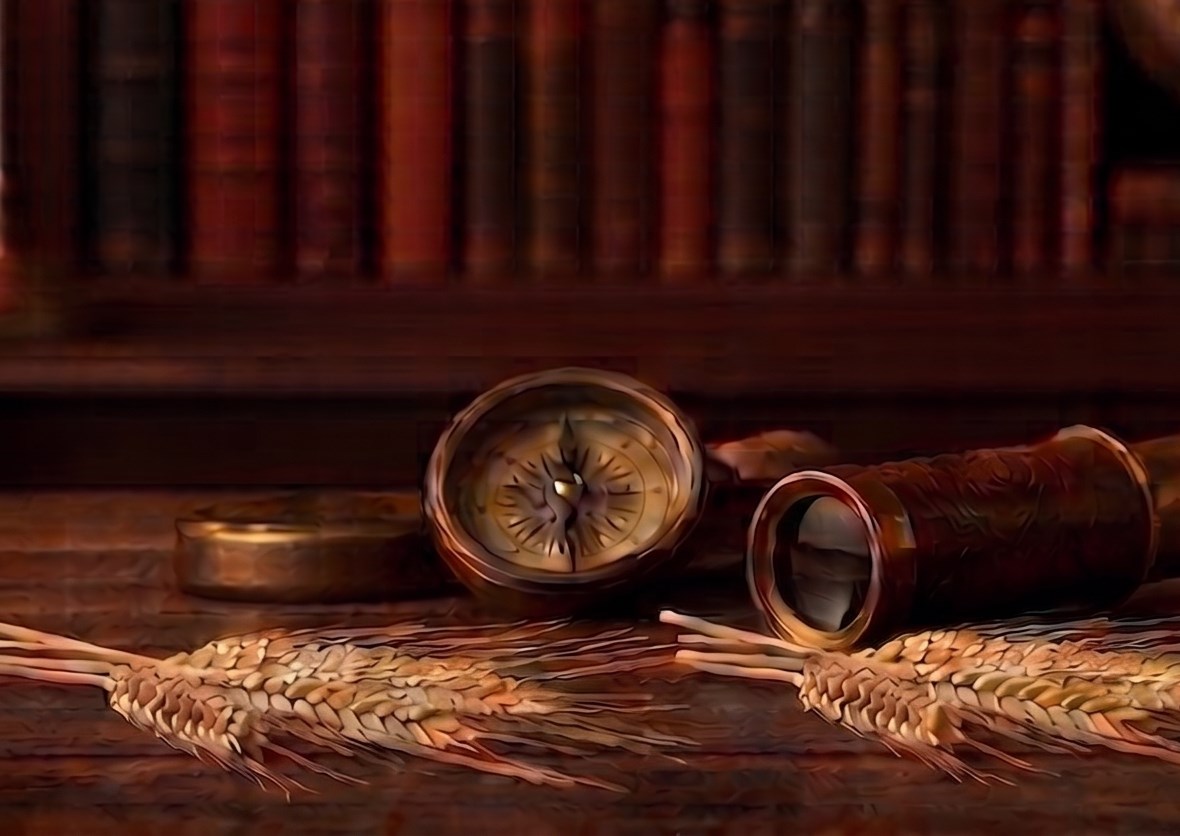
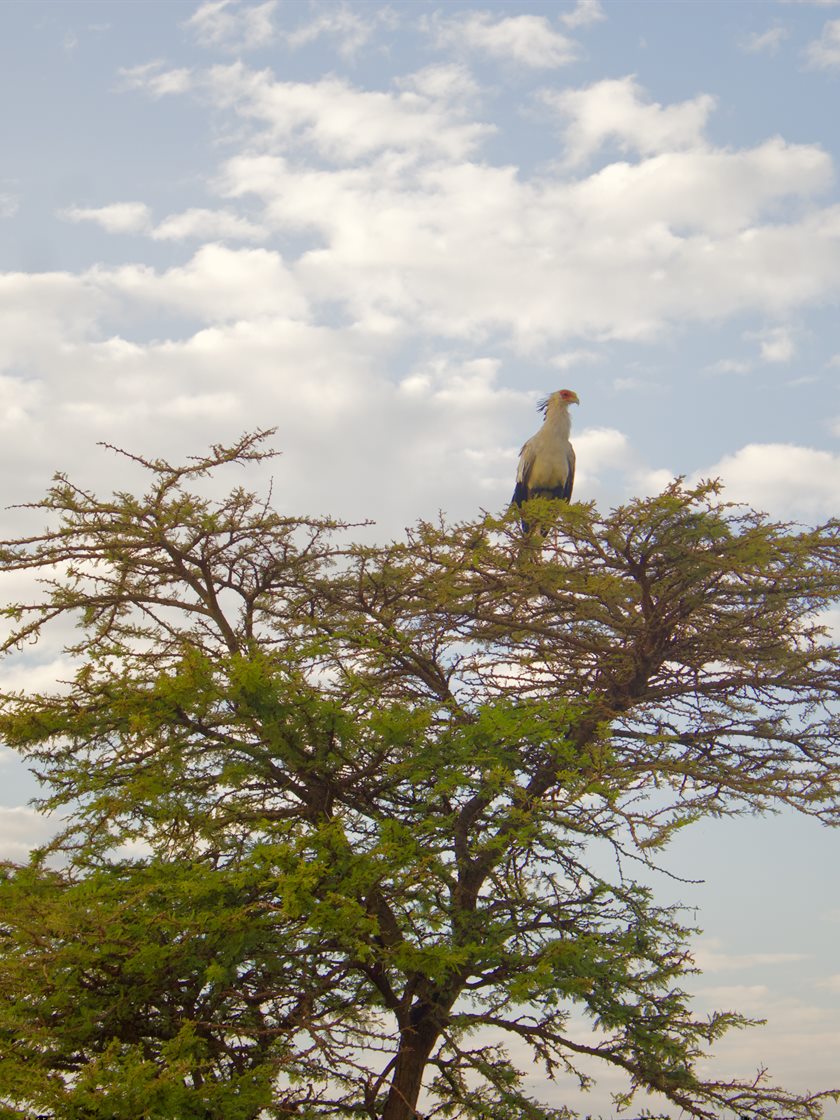
A dry gin built on Kenyan botanicals — acacia flower, wild thyme and pink pepper, gathered off the Wanjohi Valley floor. Everything but the still comes from Kenya.
The botanicals are picked in the valley and carried whole to Norfolk, where they are redistilled slowly in small copper stills with juniper, coriander and orris in the classic London Dry style. Nothing here is an extract and nothing is hurried: every botanical goes into the still whole, at a pace the old distillers up-country would have recognised.
What makes it ours is what the valley gives — acacia flower taken in bloom, wild thyme off the escarpment, and a twist of pink pepper for the warmth. Juniper holds the bones of it. Everything with a voice is Kenyan.
It is named after the hour the Happy Valley set who would come together after a hot day for a sundowner — six o'clock, the sun dropping behind the Aberdares, the first gin of the evening poured on a veranda that would not empty until dawn.
The result is bright rather than heavy: citrus-forward, herbal, and built to carry tonic and good company through a long golden hour.
Our History
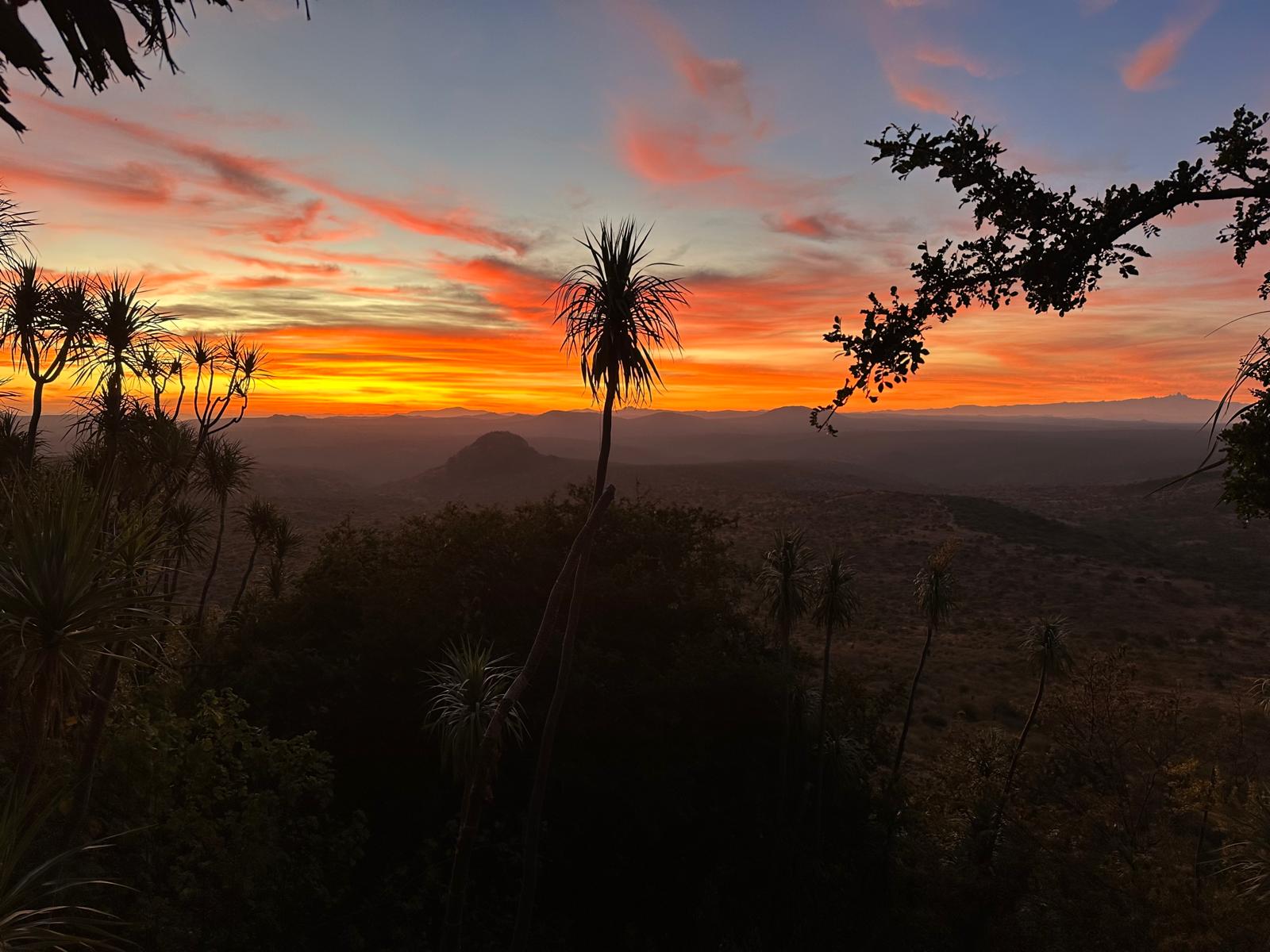
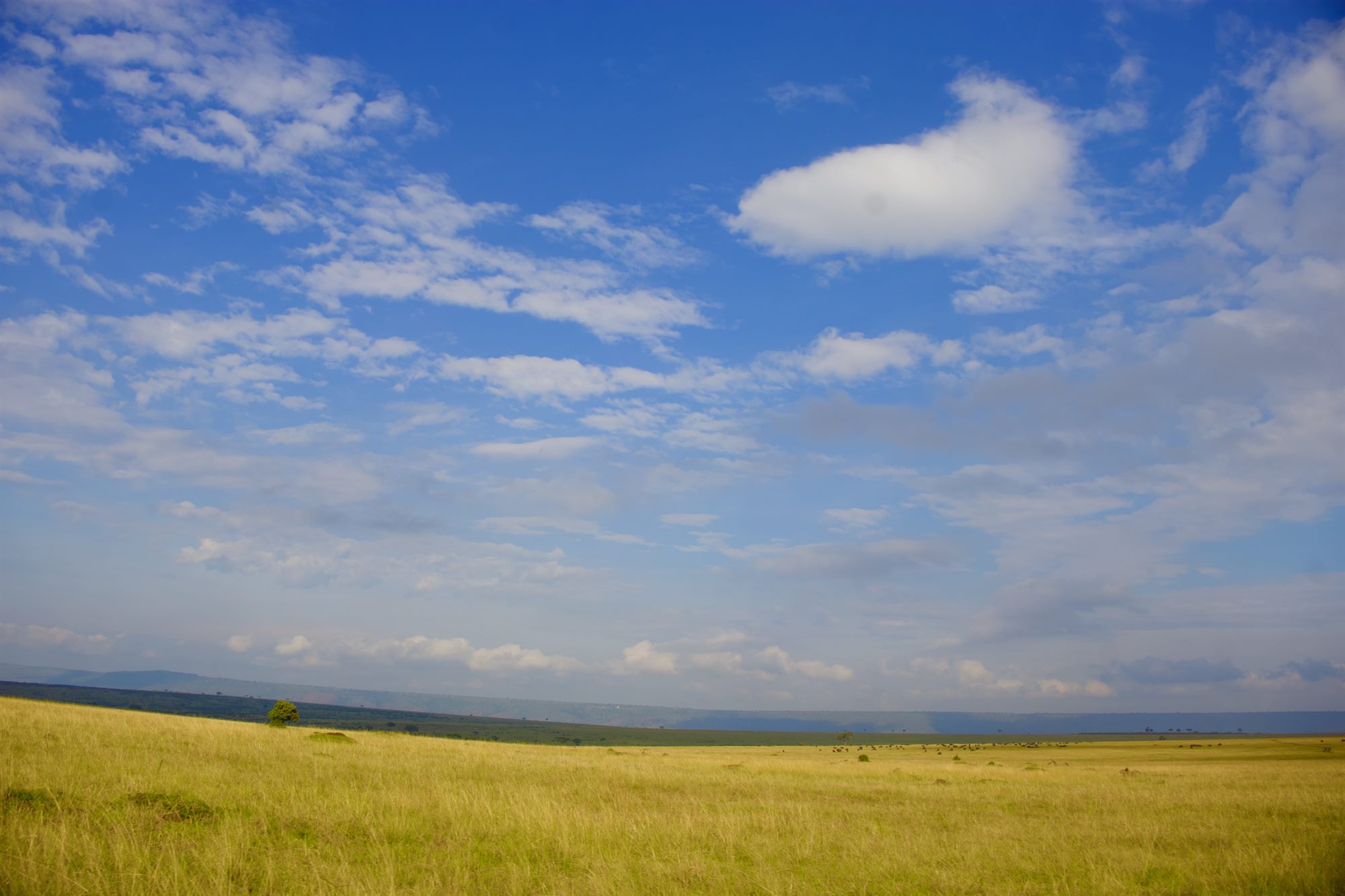
In the 1920s British and Anglo-Irish settlers took up land to farm in the Wanjohi Valley, below the Aberdare range. Before dinner, that ran until dawn and often the scandals that followed, there was a quieter ritual: gin, poured as the light went, on a veranda looking out over the whole valley.
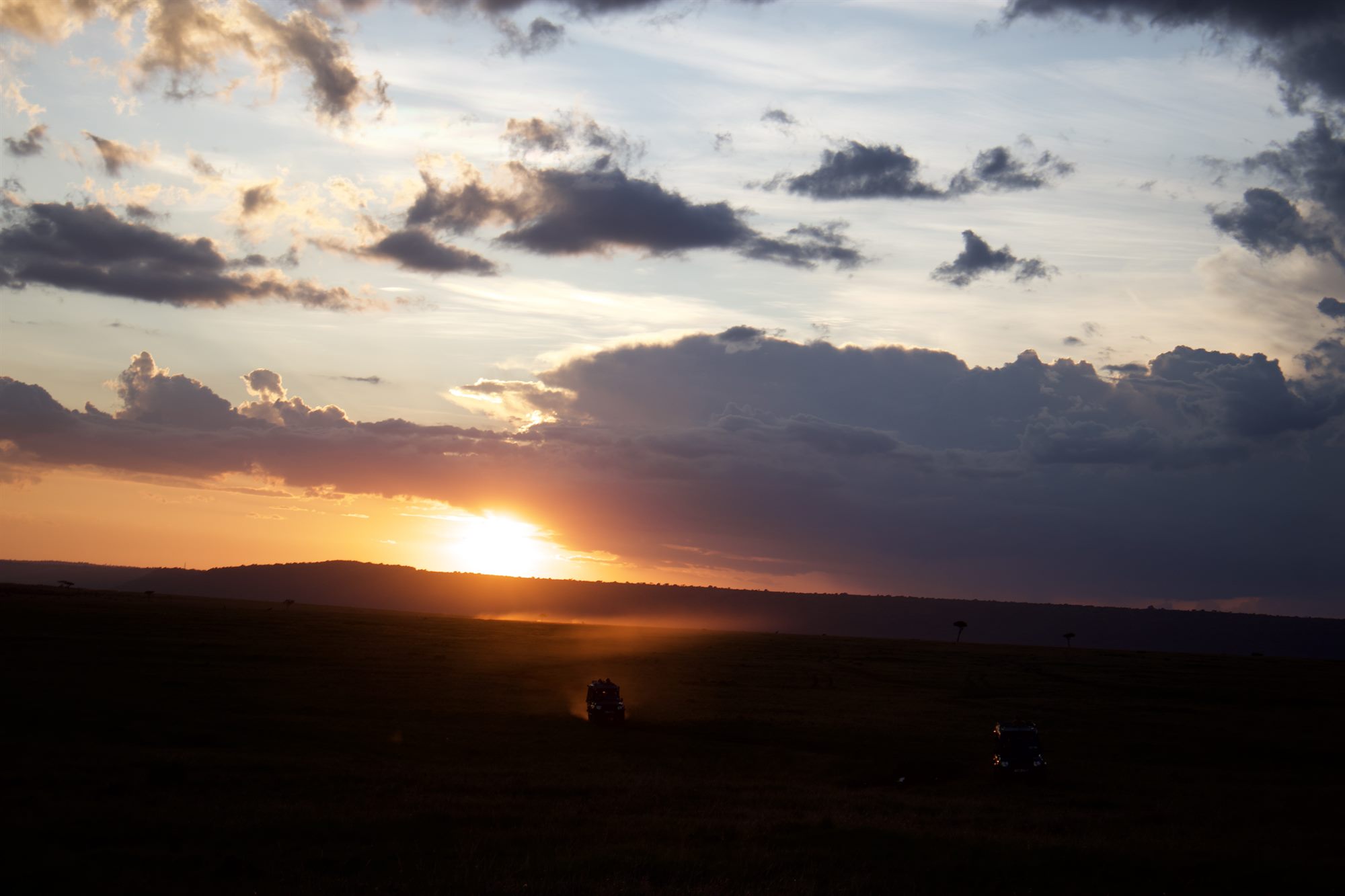
Farms across the valley kept the same custom: when the light turned gold, the day's work stopped and the gin came out. It was called the sundowner, and it was less a drink than a signal — the day was done, and whatever the night held was about to begin.
What came after that first glass is a longer, more complicated story. We tell that one on the whiskey's own label. This is the hour before it — brighter, shorter, and no less honestly ours.
Six o'clock came for everyone, sooner or later.
The Wanjohi Valley · 1924 – 1941
The Happy Valley houses were built for company: long verandas, longer tables, and a standing invitation to whoever was passing through. Gin was what they poured for it — generous, unfussy, garnished with whatever the garden and the kitchen had to hand.
That habit of hosting outlasted the scandal that made the valley so famous. It is the part of the story we have bottled for you.
The Family
John Ramsden — Yorkshire landowner & Kenyan farmer
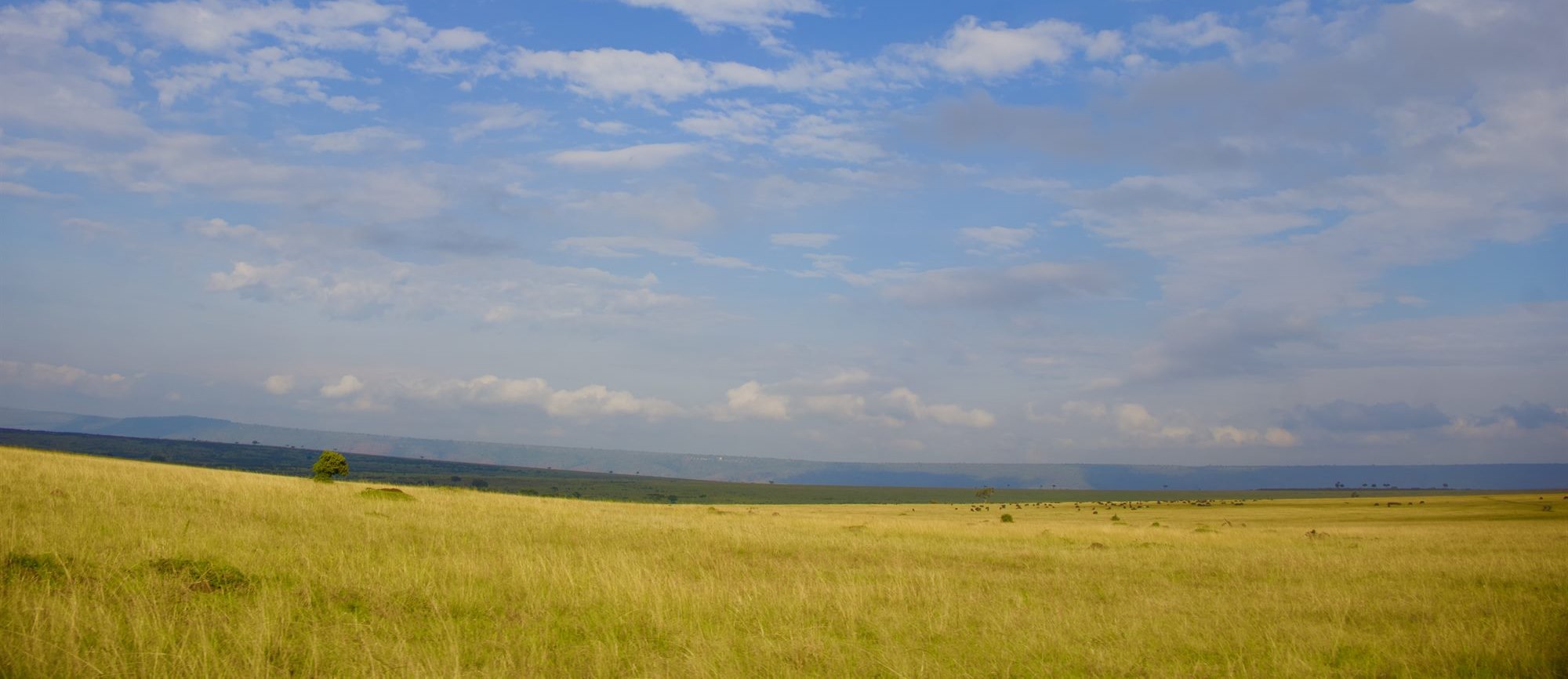
John Frecheville Ramsden — "Chops" to everyone who knew him — farmed the Kenyan highlands around Mount Kipipiri from 1924, above Gilgil and down to Lake Naivasha. Through the twenties other settlers came to join him in the Wanjohi Valley. These settlers who arrived after him — the families became known as the Happy Valley set.
Four generations on, his descendants take the botanicals off that same ground and distil them in Norfolk: a whiskey for the night the valley was famous for, and this gin for the hour that opened it. Same family, same valley, a different point in the evening.
The fuller, sourced account of the family and the valley's history is told on happyvalleywhiskey.com.
The name was handed down. The hour is the one we kept for ourselves.
Happy Valley Gin
Brand Identity
Citrus-forward and herbal — a gin built for the light, not the dark it comes before.
Acacia flower, wild thyme and pink pepper, gathered on the Wanjohi Valley floor and carried north whole.
Made for the long table and the standing invitation — poured for whoever is passing through.
Kenyan botanicals, Norfolk stills, and the same complicated history as the whisky. We say all three plainly.
Get in Touch
Jeremy Philippi
Happy Valley Gin